Gafoor combines heritage, investment, customer partnerships, and operational focus to drive growth today
Most poultry processors spend their time competing for space on supermarket shelves. Gafoor chose to compete for a different place in the supply chain, and that choice has shaped how the business has grown ever since.
The Preston-based business has built its growth around serving food manufacturers, wholesalers, meal-kit providers and restaurant brands, where changing consumer habits meet food production. Whether supplying ingredients for ready meals, supporting HelloFresh’s growth or developing products for Popeyes before its UK launch, Gafoor responds to demand wherever it emerges.
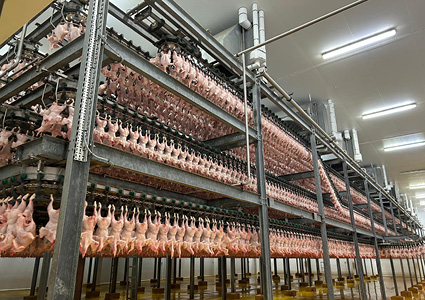
More than 60 years after its founding, that demand-led approach continues to shape the company’s growth. Gafoor now processes around 250,000 birds a day and serves customers in the food industry. The business continues to invest in automation, processing capability, and value-added production.
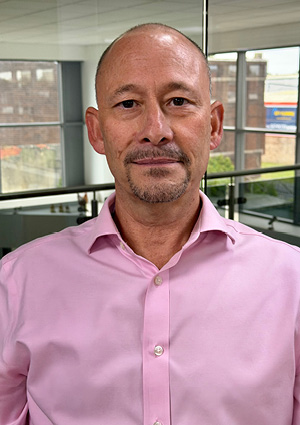
At the center of that commercial strategy is Sales Director Mark Rooza. As Gafoor expands its processing capabilities and customer base, his role covers business development, market growth and aligning investment with customer needs.
“We’re a broiler processor, but we’re mostly a sales and marketing business. Our job is to supply our customers with fresh, raw chicken,” Mark explains.
That distinction matters. Poultry processing provides the foundation, but the real challenge is understanding demand and responding to it. The company serves food manufacturers, ready-meal producers, meal-kit operators, and restaurant chains, building relationships that often grow over years.
About 25 years ago, the second generation of the founding family stepped into leadership roles reshaping the strategy. They wanted more than just higher volumes. They aimed to reposition Gafoor to reach a broader customer base. “They wanted to grow the business. They didn’t see the business as purely halal, so they decided to invest and make sure we had the right compliance standards and operational mentality to supply business-to-business customers that we were targeting,” Mark remembers.
Expanding into new markets was an evolution, not a departure from Gafoor’s roots. The company remains one of the UK’s best-known halal poultry brands, supplying wholesalers nationwide and running three company-owned stores in London.
As customer requirements evolved, Gafoor expanded its product range and processing capabilities. Today, it supplies everything from whole birds to highly calibrated boneless whole muscle, diced, sliced, and marinated products, and tailors output to each customer’s needs.
Long-term relationships
As the business grew, the leadership team faced a choice. It wasn’t whether to expand, but where to focus. Instead of going head-to-head with big supermarket suppliers, Gafoor saw better opportunities in other parts of the supply chain. “There’s a massive market for chicken outside of retail. All those folks making ready meals, pies, pastries, and pizza toppings need chicken. They want fresh Red Tractor accredited UK chicken for their products,” Mark explains. That realization set a new direction and led Gafoor to focus on business-to-business supply.
The strategy opened doors to customers looking for a supplier invested in their growth rather than focused on retail priorities. Gafoor began building its position with manufacturers such as Samworth Brothers before expanding into wider food manufacturing and foodservice markets.
Growth often comes from tackling new customer requests. When HelloFresh reached out during the Covid-19 pandemic to help support the meal-kit boom, Gafoor didn’t have the right packing capability. Instead of seeing that as a roadblock, the team saw an opportunity. “When they approached us, we didn’t have the capability to pack into that little pouch. We invested about three-quarters of a million pounds and, within four months, had a new line in the factory. They committed to volume and contract length, which gave us the confidence to invest,” Mark shares.
The partnership remains in place today, illustrating a pattern that appears repeatedly throughout the business: investment follows demand, but only when supported by long-term relationships.
Popeyes brought a different challenge. The team prepared for demand before it arrived. “They approached us about a year before their first UK store opened. To support them, we invested in technology and developed new capabilities. We’ve grown with them, and it’s been a great experience for our business,” he adds. That willingness to invest has shaped relationships across the poultry industry and strengthened Gafoor’s central approach.
Furthermore, competition and collaboration go hand in hand. Poultry processors might compete in some markets while supporting each other’s supply chains in others. “Two Sisters and Cranswick are two of our largest customers. We supply both businesses with chicken every day because our bird profile is well suited to food manufacturing,” Mark notes.
Aligning with future demand
Technology plays a big role in keeping that position. Like many poultry businesses, Gafoor operates in a market where production costs keep rising while customers stay focused on value. Staying efficient means constant investment. “The poultry industry has always been at the forefront of investing in machinery and technology. The challenge over the last 20 or 30 years is that costs keep going up, but retail prices don’t reflect those increases. The industry keeps finding new ways to take cost out of the manufacturing process to protect margins,” Mark explains.
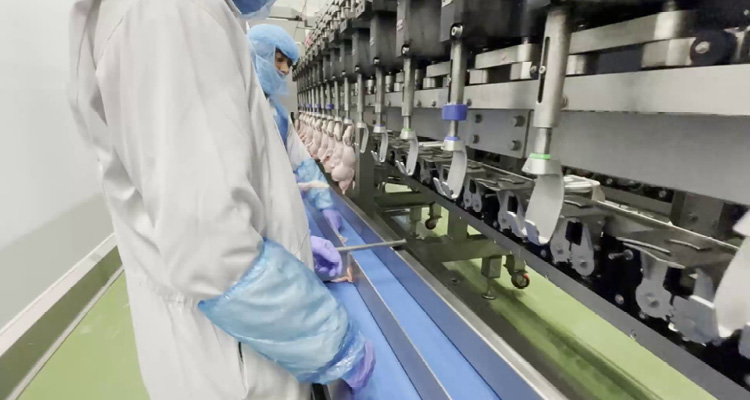
Gafoor’s answer has been steady investment in automation and processing technology. “From the moment the bird comes into the factory until it’s deboned, the process is fully automated; no human hands touch the product,” he says.
Automation now handles most of the core processing, while employees focus on quality, packing, and value-added production. Investments in cutting technology let Gafoor meet customer specs with more precision as manufacturers outsource more prep work.
The focus now is on getting more value from what Gafoor already produces, not just increasing bird numbers. Investments in automation, deboning, and value-added processing help the business deliver what customers want and create new routes to market. “We wouldn’t make that investment or produce extra volume without having the sales for that product. The two things go hand in hand,” Mark observes.
Now that Gafoor has hit its original five-year processing targets, the company is entering another phase of expansion. “We’re happy with the number of birds we process. We reached the target we set five years ago: 250,000 birds a day. Now we’re investing in more deboning capacity and want to grow that by at least 25 percent in the next two years,” he says.
Alongside that work, the business is exploring evolving customer requirements around stocking densities, production standards and processing methods. Those discussions reflect a wider focus on ensuring the business remains aligned with future demand rather than current expectations.
For all the talk about growth, capacity, and investment, Mark says the real driver is simpler. “We focus on three things: quality, service, and price. We’ve built long relationships with our customers and grown organically with them,” he says.
The long-term ambition is practical: grow while supporting employees, customers, and suppliers across the supply chain. “We’ve been here for 60 years and want to keep going for another 60. Our mission is to keep Gafoor successful and profitable, value our customers and people, and do our best for everyone in the supply chain,” Mark concludes.