Grain Damage in Handling Systems: Causes, Costs, and Engineering Solutions
Grain loses mass and market value the moment it sustains mechanical damage during handling and storage. Broken kernels translate to lower grades, shrinkage and reduced profits at export terminals. Understanding the engineering factors behind grain damage, the resulting financial impact and available protective equipment helps facility operators preserve product quality throughout the supply chain.
The Cost of Grain Shrinkage and Market Loss
Facility operators face severe financial consequences due to damaged agricultural products. Broken kernels cause shrinkage, reducing the total volume available for sale. Beyond volume loss, the damage downgrades grain quality and lowers the price per bushel at market.
When commodities arrive at export terminals with excessive breakage, buyers discount the load or reject it entirely. These losses add up throughout the supply chain and affect both spot market transactions and long-term contract relationships.
The global impact is staggering. Food loss and waste translate to a massive financial loss of $1 trillion each year. While standard grain grades containing 13% to 18% moisture typically flow through handling systems without issue, elevated moisture levels combined with fines and foreign material create material flow and handling problems that damage more kernels in the process.
Common Mechanical Causes of Broken Kernels in Facilities
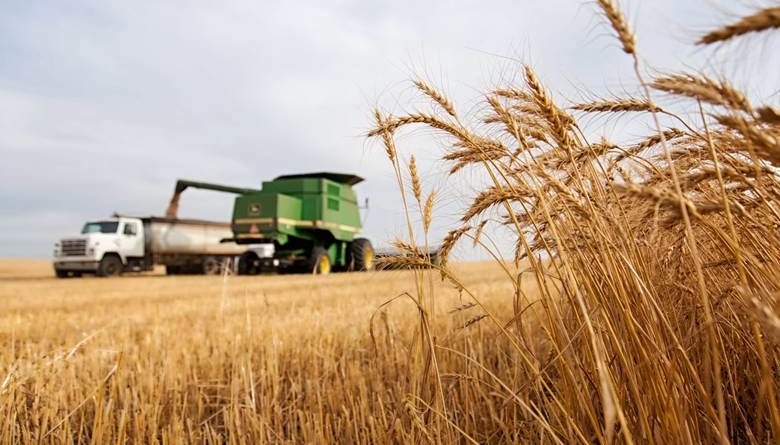
Harvest equipment accounts for a portion of kernel damage, but a substantial amount occurs as grain moves through handling and storage infrastructure. Conveyor systems, spouting networks and bin-filling operations subject agricultural products to mechanical stress that cracks and breaks kernels.
Understanding these failure points allows facility managers to implement engineering controls that preserve grain integrity. Temperature fluctuations and moisture migration during storage can weaken kernel structures, making them more susceptible to breakage during handling.
Free-Fall Drop Heights and Spouting Speeds
Gravity and high-velocity spouting are the primary culprits for physical grain damage in commercial operations. When kernels fall through spouting systems, they accelerate rapidly toward terminal velocity. Research confirms that drop height is one of the most significant variables influencing breakage rates during handling. As heights increase, impact forces escalate proportionally and crack a higher percentage of kernels upon contact with surfaces below.
The problem intensifies with higher conveying speeds. When grain streams move faster, they carry more kinetic energy upon reaching transition points, dead-ends or bin floors. This added velocity creates greater mechanical stress per ton handled. High-speed impacts can reduce kernel weight through fragmentation. Operators who prioritize speed over protection often see damage rates rise during peak harvest periods.
Surface Impacts and Partial-Capacity Inefficiencies
Grain traveling at high speeds through spouting systems eventually collides with hard metal surfaces. These impact points include conveyor transitions, spout terminations and the floors of storage bins.
When kernels strike unprotected steel at velocity, the force fractures the outer hull and damages the interior structure. Facilities operating at partial capacity are more vulnerable because lower grain volumes cannot create the natural cushioning effect that occurs when bins fill at higher rates.
Falling conditions are among the most important factors operators can manage during grain movement. When operators reduce descent speed, kernels hit hard surfaces with less force and sustain minimal breakage. This principle forms the foundation of protective equipment designed to intercept high-velocity grain streams and decelerate them before impact.
Mechanical Vibration and Shaking
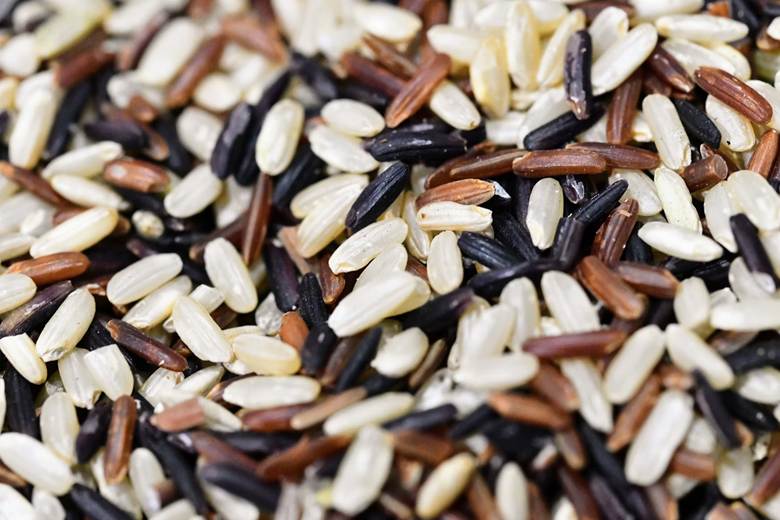
Prolonged exposure to mechanical vibration creates cumulative stress that weakens kernel structure over time. Conveyor belts, bucket elevators and screw augers generate constant vibration as grain moves through handling systems.
This repetitive motion causes kernels to rub against each other and against equipment surfaces. The friction gradually wears away the protective outer layers and creates micro-fractures. Extended transport distances amplify the damage because kernels experience vibration for longer periods before reaching their destination.
Top Cushion Boxes to Reduce Damage and Improve Handling
Cushion boxes serve as the premier engineering solution for protecting grain during facility operations. These devices intercept high-speed grain as it exits spouting systems. Internal baffles slow the material and create a gentle buffer zone that prevents kernels from striking hard metal surfaces at damaging velocities.
Proper cushion box selection depends on facility throughput requirements, bin configurations and the specific crops being handled. Equipment compatibility with existing infrastructure and maintenance accessibility also influences purchasing decisions. Installation complexity and operational training requirements round out the key selection criteria.
Three manufacturers stand out for their cushion box systems designed for commercial grain handling applications in the United States.
1. LCDM
Working with LCDM means accessing friendly, knowledgeable service and rapid response times for cushion box solutions. The company assists operators with design layouts to ensure optimal grain protection. Its patented DBAR Cushion Box is designed to reduce grain damage by over 50% compared to unprotected spouting systems.
The unit functions in both full-flow and partial-capacity situations. Replaceable component design means operators can service individual parts rather than purchasing new units when wear occurs.
Key features:
- Delivers over 50% reduction in kernel breakage during handling operations
- Maintains protective performance across variable throughput volumes and flow conditions
- Reduces replacement costs through replaceable internal components rather than complete unit changes
2. EBM Manufacturing
With equipment manufactured in the U.S., EBM Manufacturing offers cushion boxes engineered to slow grain movement at spouting endpoints. Domestic production helps shorten lead times for replacement parts and service support.
Its cushion box design incorporates a self-cleaning internal baffle system that prevents grain buildup and maintains consistent flow. This feature reduces maintenance intervals and keeps equipment functioning at design capacity without frequent shutdowns.
Key features:
- Manufactures equipment in the U.S. for faster parts availability and service response
- Incorporates self-cleaning internal baffles to maintain flow consistency
- Reduces downtime by preventing material accumulation inside the unit
3. Honeyville Metal
For custom grain handling configurations, Honeyville Metal produces adjustable cushion boxes suited to diverse facility needs. The units feature a round inlet paired with a square outlet, which allows integration with diverse spouting geometries and bin configurations.
Multiple diameter sizes accommodate varying throughput requirements across different facility scales. This sizing flexibility enables operators to match cushion box capacity to their specific handling volumes.
Key features:
- Offers a round inlet and a square outlet design for flexible installation configurations
- Provides multiple diameter options to match specific throughput requirements
- Accommodates custom facility layouts through adjustable sizing parameters
Protect the Facility’s Bottom Line With Reliable Equipment
Grain handling infrastructure can either preserve product quality or diminish it. Cushion box systems control drop heights and decelerate grain before impact, minimizing kernel breakage. Operators should evaluate whether current equipment protects grain quality or allows preventable damage to erode their profits.
*Please note that this list includes sponsored content. Some of the companies, products, or services featured have entered into commercial agreements for placement. Sponsored placements do not necessarily reflect an endorsement and should be considered alongside other options in the marketplace.