How Regal Springs is pioneering a fresh new age in top-quality tilapia
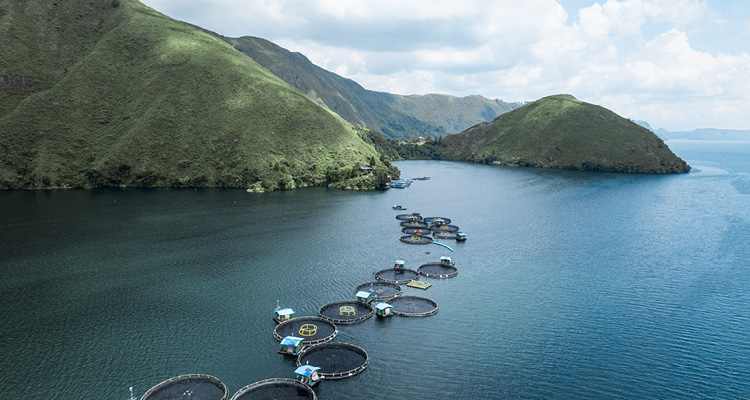
For more than 35 years, Regal Springs has been redefining what tilapia can represent in the premium seafood market. As one of the world’s largest vertically integrated tilapia producers, the company operates exclusively in oxygen-rich deep freshwater lakes across Indonesia, Honduras, and Mexico, environments carefully selected to support exceptional fish quality and responsible aquaculture practices.
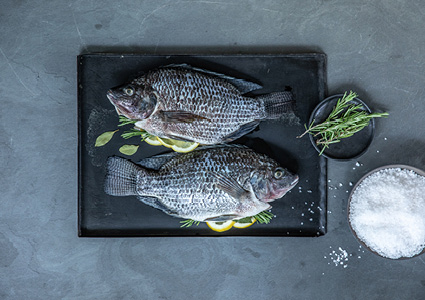
Since its establishment in 1988, Regal Springs’ mission has been clear: to raise tilapia to the highest standard through full production integrity, sustainable farming practices, and an uncompromising commitment to quality. At the heart of this mission are more than 3500 dedicated employees whose expertise ensures that the company consistently delivers nothing less than the best. Graham Ellis, Chief Executive Officer at Regal Springs, joins Food Chain to discuss how the business is striking real impact across the global seafood industry with its unique farming philosophy, commitment to sustainability, and – most importantly of all – its passion for providing a truly great product.
“Our deep-water lake farming model is one of the defining characteristics of Regal Springs and a major differentiator in product quality,” Graham begins. “Unlike conventional pond farming, our fish are raised in oxygen-rich, deep freshwater lakes with constant water flow and low stocking densities, creating a healthier and more natural growing environment. Deep water allows us to control flavor. Our tilapia are suspended in cages, and they don’t have any way to access the bed of the lake. This means that there isn’t any foraging opportunity, and the only diet our tilapia eat in the lake, is the high-quality food we give them. Those conditions contribute then directly to the quality of the final product, including a cleaner taste, firmer texture, and greater consistency.
“Additionally, responsible farming, environmental stewardship, fish welfare, traceability, and community investment have been part of the Regal Springs model for more than 35 years,” he affirms. “We are proud to have the world’s first ASC-certified tilapia farm, and today our operations across Indonesia, Honduras, and Mexico continue to follow rigorous standards around water quality, fish welfare, environmental monitoring, and social responsibility. We’re also investing in carbon reduction initiatives, and full resource utilization through programs like Natural Additions, which focuses on ensuring that every part of the fish is put to productive use.”
Quality-driven value
This philosophy ultimately led to the development of the Global Open Standard for Tilapia Quality, an industry framework designed to bring greater transparency, consistency, and confidence to the tilapia category. Within this framework, Regal Springs offers its highest quality tiers – Prime and King – with King Tilapia representing the company’s premium benchmark. Defined by pure white flesh, thicker loins, clean flavor free from muddy off-notes, strong yield performance, and a superior culinary experience, King Tilapia is designed to meet the expectations of discerning premium whitefish customers worldwide. Rather than keeping the framework proprietary, however, Regal Springs chose to make the standard open to the wider industry, believing that broader adoption would strengthen trust in the category as a whole and help shift the conversation from price-driven purchasing to quality-driven value.
“The biggest misconception is that all tilapia is the same, and isn’t a high quality product. Historically, the category has often been treated as a low-cost commodity, when in reality, quality can vary enormously depending on farming practices, water environment, feed, handling, and processing standards,” Graham explains. “At Regal Springs, we’ve spent decades proving that responsibly farmed premium tilapia can deliver excellent taste, texture, nutrition, and culinary performance comparable to traditional whitefish categories. That thinking ultimately led to the development of King Tilapia and the Global Open Standard for Tilapia Quality.
“That’s why a big part of the opportunity is simply getting more people to experience the product. Once chefs, buyers, and customers taste the difference, they quickly understand that King Tilapia belongs in a very different conversation from conventional tilapia. We believe the future of tilapia lies in greater quality differentiation and clearer industry standards. Just as consumers understand distinctions within categories like beef or shrimp, we believe tilapia should also be recognized across different quality tiers rather than viewed as a single commodity product.”
Sustainable seafood
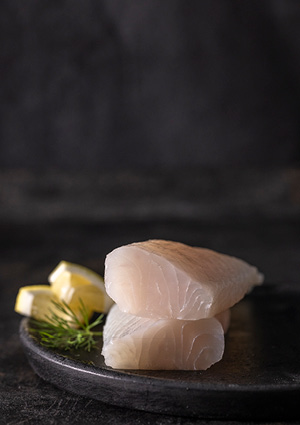
As consumer expectations around seafood quality, sustainability, and transparency continue to evolve, Regal Springs is positioning tilapia for a new era. Through its deep-water farming model, commitment to responsible aquaculture, and leadership in establishing clearer quality standards, the company is challenging long-held perceptions of the category. By focusing on premium quality rather than commodity pricing, Regal Springs is not only redefining tilapia itself but also helping shape a more sustainable and trusted future for the global seafood industry.
“Our priorities remain focused on premiumization, operational excellence, sustainability, and global market expansion. It is clear that the seafood industry is entering a period of significant change. Supply pressures, sustainability expectations, and shifting consumer preferences are reshaping how seafood is produced and consumed globally. We believe tilapia has an important role to play in the future of global seafood, particularly when it’s farmed responsibly and positioned around quality, consistency, and transparency,” Graham says, concluding our conversation.
“At Regal Springs, we’re committed not only to growing our business, but also to helping elevate the category as a whole. If the industry can continue raising standards around quality and consistency, we believe premium tilapia can become an increasingly important part of the global whitefish category, including traditional applications like fish and chips.”