KFC is set to modernize its menu and customer experience for a new era
Subscribe to our free newsletter today to keep up to date with the latest food industry news.
KFC has spent decades building one of the world’s most recognizable restaurant brands. The image of Colonel Sanders, the iconic bucket and a menu centered on fried chicken helped the company expand into more than 150 countries and establish a global presence few restaurant chains can match.
Now the company is undertaking one of the most significant transformations in its history. KFC has unveiled a global refresh that includes new menu platforms, updated branding, redesigned restaurants and an expanded beverage offering. The initiative reflects a wider reality facing the quick-service restaurant industry: heritage alone is no longer enough to guarantee growth.
The chicken category has become one of the most competitive segments in fast food. Brands such as Chick-fil-A, Popeyes and Raising Cane’s have raised consumer expectations around convenience, product quality and customer experience. At the same time, demand for customization, premium beverages and portable menu formats continues to grow.
For KFC, the challenge is straightforward. The company must preserve the brand equity built over generations while adapting to a market that increasingly rewards relevance and innovation.
Why the chicken category has become one of the industry’s most contested markets
Chicken has emerged as a major growth engine across the restaurant sector. Consumers increasingly view chicken as a versatile protein that works across sandwiches, wraps, tenders, wings and snack-sized offerings. That flexibility has created opportunities for both established operators and emerging challengers.
The competitive landscape has shifted dramatically during the past decade. Several chicken-focused brands have expanded aggressively, capturing market share through streamlined menus, distinctive flavor profiles and strong digital engagement.
Against this backdrop, KFC’s refresh is about far more than visual identity. It represents a strategic effort to strengthen relevance in a category where customer expectations continue to rise.
A central component of the strategy is a stronger focus on boneless chicken. Tenders, sandwiches and other portable formats align with modern eating habits, particularly among younger consumers who value convenience and flexibility. These products also lend themselves to customization through sauces and limited-time flavor offerings, creating opportunities for repeat visits.
The company’s investment in menu development reflects a broader industry trend. Restaurant operators increasingly rely on new products to drive traffic and differentiate themselves in crowded markets. For global brands, maintaining momentum often requires balancing consistency with local adaptation and fresh customer experiences.
The menu strategy extends beyond traditional fried chicken
Perhaps the most revealing aspect of KFC’s transformation is its decision to broaden the customer proposition beyond core chicken products.
The introduction of more than 20 new sauces signals a growing emphasis on personalization. Consumers increasingly expect menu items that can be tailored to individual preferences, and sauces provide an effective way for restaurant brands to offer variety without adding significant operational complexity.
KFC is also investing heavily in beverages through its new KWENCH platform. The concept includes milkshakes, boba drinks, sparkling beverages and specialty coffee products. The move reflects a wider shift across the restaurant industry, where beverages have become an increasingly important source of revenue and customer engagement.
Coffee chains demonstrated years ago that beverages can drive frequency and profitability. More recently, quick-service operators have recognized that drinks can help create distinctive brand experiences while increasing average transaction values.
The strategy highlights how restaurant competition is no longer confined to traditional category boundaries. A customer choosing a specialty beverage may compare KFC not only with competing chicken brands but also with coffee shops, convenience stores and emerging beverage-focused concepts.
As a result, menu diversification is becoming an increasingly important tool for attracting customers throughout different parts of the day.
Restaurant design is emerging as a competitive advantage
Menu development alone rarely defines long-term success. Restaurant operators increasingly view physical locations as strategic assets capable of strengthening customer relationships and shaping brand perception.
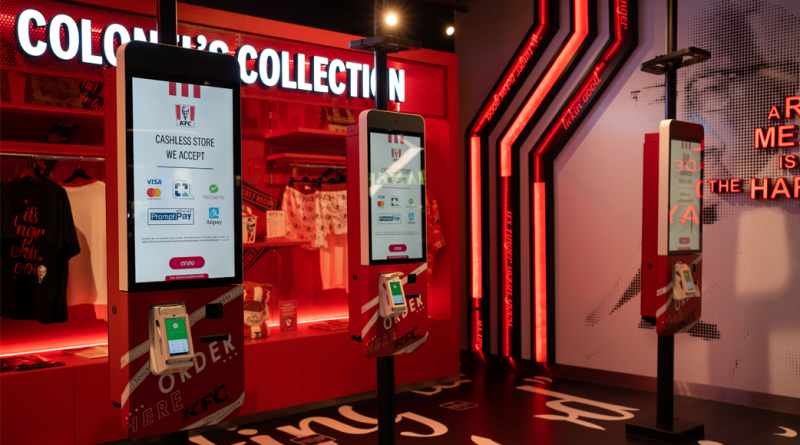
KFC’s redesigned restaurant concepts reflect this thinking. New locations feature updated architecture, contemporary interiors and a visual identity intended to create a more modern customer experience.
The company’s decision to launch flagship formats in markets such as Dubai and Texas demonstrates the importance of physical environments in shaping consumer perceptions. Modern restaurant design can communicate quality, innovation and relevance before a customer places an order.
Digital integration is also becoming a central consideration. Mobile ordering, self-service kiosks and streamlined pickup experiences are now expected rather than exceptional. Restaurant operators that successfully combine technology with hospitality are often better positioned to meet evolving customer demands.
For global brands, redesign programs serve another purpose. They create visible evidence of change, helping consumers recognize that a company is investing in its future rather than relying solely on its legacy.
Refreshing an icon without losing what made it famous
Rebranding a company as recognizable as KFC carries significant risk. Consumers often develop strong emotional connections with heritage brands, and dramatic changes can generate resistance.
The company’s updated logo and refined visual identity appear designed to strike a careful balance between modernization and continuity. Colonel Sanders remains central to the brand, but the presentation has been refreshed to align with contemporary design standards.
This approach reflects a common challenge facing mature global brands. Successful transformations rarely abandon legacy assets. Instead, they reinterpret familiar elements in ways that feel relevant to current audiences.
For KFC, the objective is not reinvention for its own sake. The goal is to create a brand that feels current while retaining the familiarity that helped build trust across generations.
The broader significance extends beyond one restaurant chain. KFC’s transformation offers a glimpse into how established consumer brands are adapting to a rapidly evolving marketplace. Growth increasingly depends on a combination of product development, experience design and strategic brand management.
As competition intensifies across the global restaurant industry, companies that successfully balance heritage with innovation are likely to be best positioned for sustained relevance. KFC’s latest chapter suggests the future of fast food may belong not to brands that change everything, but to those that understand precisely what should remain the same.
Sources
New York Post