Pacific Coast Producers scales existing operations, integrating new volumes without expanding its manufacturing footprint
Pacific Coast Producers (Pacific Coast) entered 2026 with momentum. The grower-owned cooperative acquired key Del Monte Foods shelf-stable fruit assets, securing rights to the Del Monte and S&W brands across the United States, Puerto Rico, and Mexico. The transaction expanded the company’s presence in packaged fruit and brought additional volume into an organization that has spent more than five decades supplying retail and foodservice customers across North America. For a business built on seasonal harvests, capacity planning suddenly became a much bigger conversation.
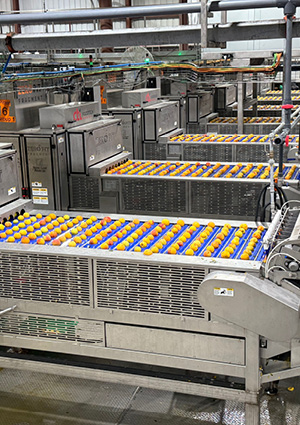
The acquisition didn’t change Pacific Coast’s direction. Instead, it reinforced the strategy already underway. The team increased production through its own facilities, building on trusted grower relationships, investing in processing technology, and drawing on a culture shaped by family farms.
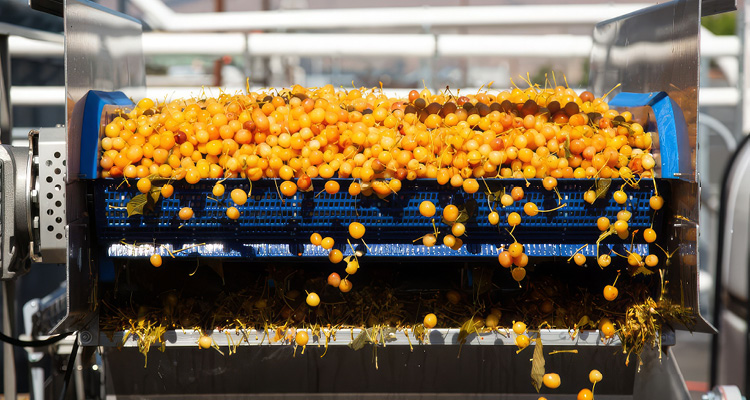
Paul Fairbanks, Director of Operations, saw an opportunity to get more from the assets already in place. “There is fruit available before and after our typical production season; we picked up fruit to extend our season and run every possible day. That means our plants are running longer. Our plants process about 15 million peaches a day, so when you add 25 to 30 extra processing days, that’s a lot of peaches,” he says.
Extending the processing season supported the integration of new branded business while building on the cooperative’s existing manufacturing and distribution network. With Del Monte, Pacific Coast leveraged infrastructure and systems already in place, drawing on existing, compatible consistencies.
Paul knows the operations inside and out. He’s spent over 20 years with Pacific Coast, working his way up through production and plant leadership roles before taking the lead on operations for the whole cooperative. Now, he’s responsible for everything from production performance and quality to safety, capacity planning, and process improvement.
Even with similar systems, the integration required serious teamwork. Adding new branded volumes meant aligning production, planning, logistics, sales, and supply chain teams. Paul sums up the challenge: “At the end of the day, bringing on a brand like Del Monte takes people and a dedicated team working together to manage all the details.”
Family farmers
Paul highlights the importance of ownership. Unlike many food manufacturers, Pacific Coast is owned by about 160 family farms, directly linking the business to the growers who supply it. Although it is structured and run like a corporation, grower ownership is at the heart of Pacific Coast’s approach to responsibility, investment, and long-term planning. “Our business is owned by family farmers – real, hardworking, regular people. There’s a unity and closeness here with everyone who works at Pacific Coast Producers. We are all in it together. That’s what drives our success and defines our culture,” Paul shares.
Pacific Coast continues to invest as it grows. Some projects boost throughput and quality, while others improve resource use and develop better processes. It all comes back to a philosophy of steady, continuous improvement, not big overnight changes.
Paul puts it simply: “Everything we do aims to add value for our growers, our customers, to make life better for our employees, or move us toward sustainability.”
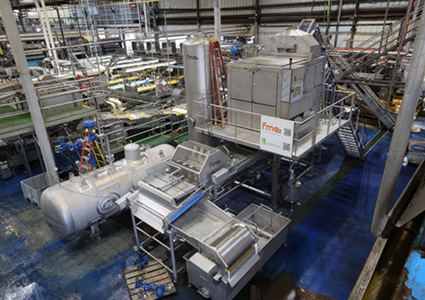
One initiative getting attention is a steam-peeling project for pears. The team is testing new technology that could boost both operational efficiency and sustainability. “We’re investing in a steam peeler for trials at one of our facilities. We see both cost and sustainability benefits from using steam,” Paul notes. Pacific Coast also upgraded its peach-processing equipment at the Lodi facility, adding new pitting technology designed for better product quality. “We’ve installed 28 new machines, and they’re already running. That project focused on quality, and we’re seeing strong results in our finished products. We’re also piloting new evaporation technologies to utilize fruit slivers and juices and turn them into concentrates, and reuse them as packing medium in our process.”
These efforts tie closely to the company’s approach to sustainability. That commitment begins before any fruit is processed. As a processor of canned fruits and tomatoes, Pacific Coast starts with the packaging. “The can is the most recycled container in the world, and it has been for a long time.”
The sustainability focus continues inside the plant. Materials from production go toward compost, animal feed, digesters, or energy applications. “We try to utilize every single piece of fruit or tomato that comes into our facilities,” he explains.
Paul sees that focus on utilization reaching beyond the plant. It’s a perspective you get from a business owned by growers whose livelihoods depend on making the most of what they have. “I think farmers are some of the best stewards of the land in the world. That stewardship trickles down into our facilities, where it’s important to use or find a home for as much as possible,” he observes.
Championing people
Looking ahead, Paul expects more opportunities for operational improvement, technology investment, and serving customers with accessible, dependable products. Growth matters, but Pacific Coast always focuses on the people who buy the products and the value they get.
“In five years, I hope we see happy customers enjoying our products. I want them to keep finding high-quality, nutritious, and healthy products that offer great value.” Achieving that vision takes a mix of long-term investments and smart decisions every day.
“Everything counts. It’s the small and simple things that make the biggest difference. If we keep focusing on those, we’ll keep seeing the results we’ve achieved over the years,” he reflects. That philosophy runs throughout Pacific Coast, from the growers who own the cooperative to the teams in its facilities.
As the business adds new brands, improves processing, and grows capacity, Paul stays focused on the people who bring plans to life. “The people working in our production facilities are truly great. We couldn’t do it without everyone in this company,” Paul concludes. As Pacific Coast enters its next phase of growth, that blend of operational discipline, investment, and people may matter just as much as any new technology or acquisition.