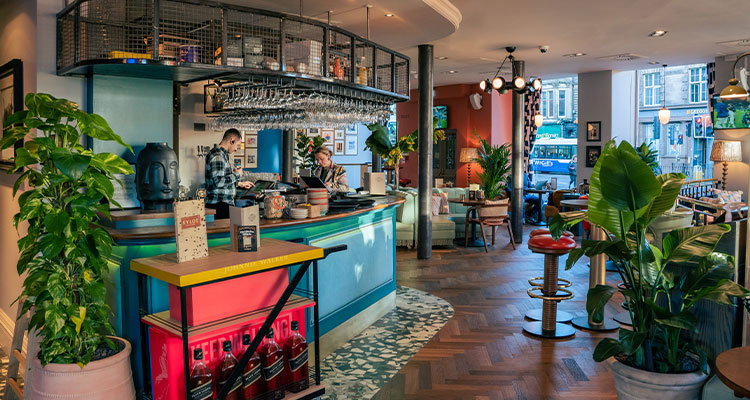
Signature Group navigates changing hospitality demands through investment, food innovation, and people-led growth
Hospitality businesses operate in a different environment than just a few decades ago. Guests are more intentional about where they spend their money, weighing every experience against more alternatives than ever. For operators, success depends on understanding not only what customers buy, but why they choose to go out in the first place.
The challenge isn’t just getting customers through the door anymore. It’s about creating experiences that are worth leaving home for. As spending patterns shift, hospitality groups must balance investment, innovation, consistency, and profitability while meeting a customer base that expects more from every visit.
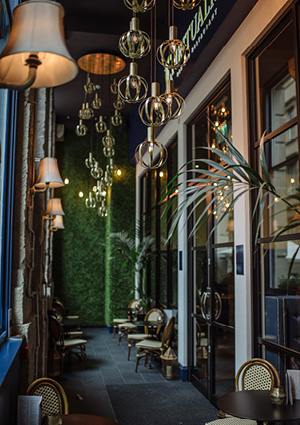
Signature Group (Signature) has been navigating these new challenges head-on. The independent Scottish hospitality business, founded in Edinburgh in 2003, now runs 23 venues across Scotland. But instead of replication, Signature focuses on standing out from the pack.
As Head of Food, Tom Adlam stands at the crossroads of changing customer expectations, commercial performance, and product innovation. Since joining the company in 2025, he’s led food strategy, menu development, new concepts, and kitchen design across every venue. The role has never mattered more: food is now central to attracting and keeping guests. “Customers are definitely more thoughtful about how and where they spend their money. Value matters, but it doesn’t always mean being the cheapest. Today, it’s about whether the experience feels worth it. People have so many choices, including staying home, so we need to give them a compelling reason to go out,” Tom notes.
Signature hasn’t chosen to standardize. Instead, the team creates a portfolio of venues tailored to specific customer needs, occasions, and locations. While some hospitality groups chase consistency above all else, Signature has spent over twenty years developing distinct brands and concepts for a range of customers and experiences. He reflects, “What’s mattered as we’ve grown is we haven’t tried to create a cookie-cutter group. Every venue has its own identity, shaped by its location, its customers, and the occasion it serves.”
In a market where occasions increasingly shape venue choice, Signature operates on the belief that every customer wants something tailored to them. “A visit to Cold Town House is nothing like going to Kyloe, The Queen’s Arms, or The Spiritualist. We see that variety not as operational complexity, but as a smart response to changing customer behavior,” he observes. Guests pick a venue based on the occasion—maybe to spend time with friends, celebrate a milestone, watch sports, or simply enjoy a quiet meal. Those choices and behavior patterns shape Signature’s investment decisions.
Consistency and creativity
As Signature continues to expand, it places equal focus on improving existing assets. Earlier this year, Signature invested £500,000 in the rooftop at Cold Town House, adding a retractable roof, a new terrace, and a fresh bar. Tom explains, “For us, it was about keeping everything people love about the rooftop, while making it much more usable every season. It’s a big investment, but it says a lot about how we treat our existing venues. Growth isn’t just about opening new places; it’s about always improving what we already have.”
Set to open in 2027, the Forrest Road development in Edinburgh takes this approach even further. Two concepts come together under one roof: a food-focused pub centered on local produce and charcoal cooking, alongside a sports-driven venue built for major sporting events. “That contrast is intentional. Instead of making one concept try to be everything for everyone, we’re creating two complementary experiences that fit different customers and occasions in one spot,” he shares.
Projects like Forrest Road give Tom the chance to bring together food strategy, operations, and customer insight. Throughout his career, he has worked across menu development, supplier partnerships, kitchen design, operational standards, and site launches. That experience spans both the creative and commercial sides of hospitality. At Signature, that perspective shapes how the business develops concepts, evolves menus, and responds to changing customer expectations.
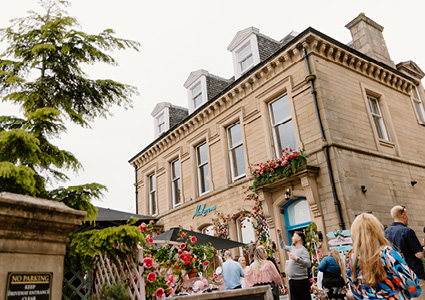
Part of Tom’s role is turning the group’s ambitions into food concepts and menus that work for customers, teams, and the business. Plenty of operators chase trends for inspiration, but Signature puts just as much focus on data, process, and how well things work in real time. “Our food development is structured, collaborative, and increasingly driven by data. We always want to evolve and innovate, but that doesn’t mean chasing every trend. It’s about knowing our guests, seeing where the market’s heading, and developing food that fits. We regularly analyze sales to see what guests are picking up, what’s catching on, and where dishes might be underperforming.” The structure creates consistency as Signature grows, but it doesn’t stifle creativity. Ideas come from all over the business. Each one goes through testing and refinement before ever reaching a guest. He adds, “We have talented chefs everywhere, and we want ideas to come from our individual kitchens, not just our central food team.”
Investment and innovation
That balance between structure and creativity paid off this year when Signature took home Gold and Best in Class in the Meat & Potato category at the British Pie Awards in Melton Mowbray. The winning Outlander Pie, developed by Group Food Development Manager Emma Clark-Szabo, drew on one of Scotland’s best-known flavor combinations but presented it in a new way. Emma says, “The inspiration was to take the classic Scottish trio of haggis, neeps, and tatties then turn it into something more refined and creative, because honestly, what isn’t better in pastry?”
But inside the business, the win mattered less as a trophy and more as proof that a disciplined development process can deliver products that resonate with customers and still make commercial sense.
Signature’s investment goes beyond venues and concepts. The group has made workforce development a strategic priority because people drive the next phase of growth. “We’re still investing heavily in our people. Hospitality is a people business, so attracting great talent, developing them, and building true career paths in the group is just as important as investing in bricks and mortar.” That mindset drives the company’s People Powered Growth program, which the leadership team plans to make more central across the business. He continues, “Another priority for 2026 is really establishing our People Powered Growth program. Success in business comes from our people and from their drive to grow and develop. That leads to a better culture, which flows right through to the customer and the bottom line.”
Looking ahead, investment, innovation, consistency, and profitability all matter, just as they did at the start. But Signature’s bigger ambition goes beyond simply adding more venues or expanding geographically. “We want Signature to be recognized as one of Scotland’s leading independent hospitality groups; a business known for creating and running outstanding, distinctive hospitality brands and for always investing in them.” Looking five years into the future, Tom concludes, “I’d love us to be a bigger business, but even more, a better one, with stronger brands, great people, and venues customers choose because they know they’ll have an amazing experience.”