Starbucks launches Hannah Montana inspired drink for limited time
Subscribe to our free newsletter today to keep up to date with the latest food industry news.
Starbucks is once again leaning into cultural nostalgia, this time with a limited time drink inspired by one of Disney Channel’s most recognisable franchises. To mark the 20th anniversary of Hannah Montana, the coffee chain has introduced a colourful off menu beverage that blends social media virality with brand storytelling.
The launch arrives alongside a broader revival of interest in the series, including a Disney+ anniversary special featuring Miley Cyrus. Together, the releases reflect a growing strategy among global brands to tap into millennial and Gen Z nostalgia, turning familiar cultural moments into commercial opportunities.
Available for a short window between March 23 and April 5, the drink is not listed on standard menu boards. Instead, it exists as a custom order, reinforcing Starbucks’ long standing relationship with so called secret menu culture and fan driven product discovery.
A pop culture revival fuels demand
Nostalgia has become a powerful lever in consumer marketing, particularly within the food and beverage sector. Brands are increasingly revisiting early 2000s franchises as audiences who grew up with them reach peak spending years.
In this case, Starbucks aligns itself with Hannah Montana’s enduring appeal. The show, which debuted in 2006, built a global fan base and helped launch Miley Cyrus into mainstream stardom. Two decades later, that audience remains highly engaged, particularly across platforms such as TikTok and Instagram where nostalgia content performs strongly.
By introducing a themed drink rather than a full menu rollout, Starbucks creates a sense of exclusivity. Limited availability and the requirement to customise the order both contribute to a perception of insider access, encouraging customers to share the experience online.
What is in the Starbucks Hannah Montana drink
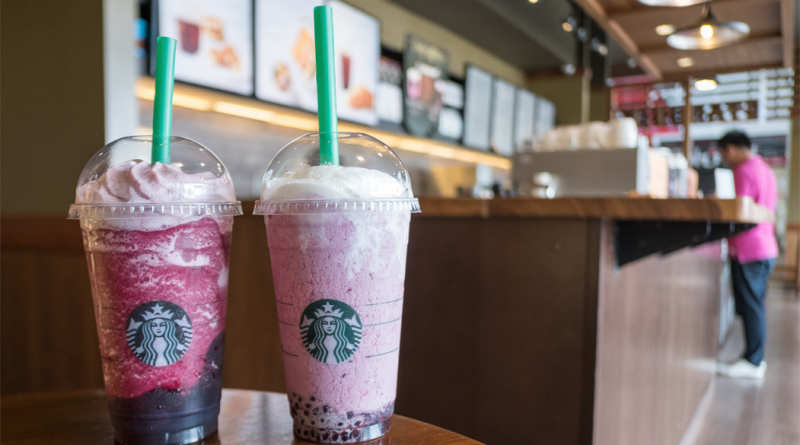
The beverage, officially referred to as Hannah’s Secret Popstar Refresher, builds on one of Starbucks’ most popular non coffee bases. At its core is the strawberry acai refresher, a fruit forward drink known for its bright colour and light caffeine content.
To this, the company adds raspberry cold foam and two pumps of raspberry syrup. The result is a layered drink that combines sweetness with a slightly tart finish, designed to stand out visually as much as it does in flavour.
The presentation plays a central role. With its pink and red tones, the drink is engineered for social sharing, aligning with Starbucks’ broader strategy of creating products that photograph well and circulate easily across digital channels.
Despite its prominence online, the drink remains unofficial. Customers will not find it on printed menus, reinforcing the idea that discovery happens through community rather than traditional advertising.
How to order the secret menu refresher
Ordering the drink requires a degree of precision. Customers using the Starbucks app can locate the custom combination more easily, but in store orders depend on clearly specifying each modification.
The recommended approach is to request a grande strawberry acai refresher with no strawberry inclusions. From there, customers should ask for raspberry cold foam and two pumps of raspberry syrup.
This level of detail reflects how Starbucks has effectively outsourced part of its menu innovation to its customer base. Over time, fans have developed and shared countless variations, many of which gain traction through short form video platforms.
Baristas are generally familiar with customisation requests, but consistency can vary by location. As a result, clear communication remains essential for replicating the intended drink.
Fan culture and brand strategy converge
Starbucks’ decision to launch a Hannah Montana themed drink highlights a broader shift toward participatory marketing. Rather than relying solely on traditional campaigns, brands are increasingly designing products that invite interaction and reinterpretation.
Secret menu items play a key role in this approach. They encourage customers to feel part of a subculture, where knowledge of how to order becomes a form of social currency. This dynamic is amplified by platforms such as TikTok, where users document and review their experiences.
The campaign also demonstrates how brands navigate cultural references. In the original series, Miley Stewart’s character famously expressed a dislike for raspberries after a negative experience. Starbucks acknowledged this detail with a lighthearted response on social media, suggesting that the character has since changed her mind.
Such moments, while minor, can strengthen engagement by signalling that the brand understands its audience. Attention to these details often determines whether a campaign resonates or feels superficial.
As the April 5 end date approaches, the drink’s limited availability is likely to drive further interest. For Starbucks, the success of the promotion will not only be measured in sales, but in its ability to generate conversation and reinforce its position at the centre of digital food culture.
Sources
People