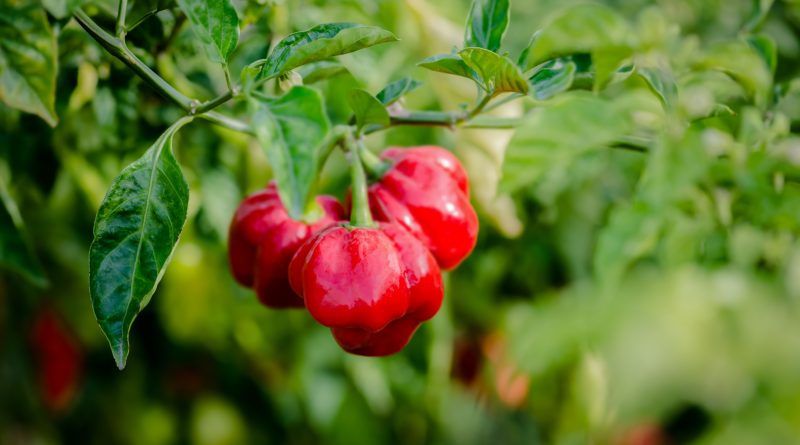
The growing supply chain problem behind your favorite hot sauce
Subscribe to our free newsletter today to keep up to date with the latest food industry news.
The Caribbean hot sauce industry has built a global reputation on authenticity. At the center of that reputation is the Scotch bonnet pepper, a crop whose distinctive heat and fruit-forward flavor define some of the region’s most recognizable brands. For decades, manufacturers relied on a relatively stable supply from growers across Jamaica and neighboring islands. That assumption is becoming harder to sustain.
A shortage of Scotch bonnet peppers is affecting producers throughout the Caribbean, forcing manufacturers to confront rising costs, production constraints and uncertainty around future supply. What may appear to consumers as a niche agricultural issue is becoming a broader lesson in how climate volatility, shifting farm economics and fragile supply chains can influence food production.
The problem comes as Caribbean food products gain wider acceptance in international markets. Hot sauces, seasonings and condiments that once served mainly diaspora communities now occupy shelf space in major retailers across North America, Europe and Australia. Demand continues to rise, yet the agricultural systems supporting that growth face increasing pressure.
Extreme weather is exposing the vulnerabilities of specialty crop production
Scotch bonnet peppers are highly sensitive to growing conditions. Excessive rainfall, drought, hurricanes and pest outbreaks can significantly reduce yields. During recent years, Caribbean farmers have faced many of these challenges at the same time.
Severe weather events have damaged crops, disrupted planting schedules and increased disease pressure across agricultural regions. Farmers who once depended on relatively predictable growing cycles are finding risk management far more difficult. The result has been lower output and greater volatility in pepper availability.
For manufacturers, the impact extends beyond reduced supply. Competition for available peppers drives up prices and complicates procurement strategies. Some producers have reported sharp increases in raw material costs following major weather events, placing additional pressure on already narrow margins.
The challenge reflects a broader trend affecting agriculture worldwide. Climate-related disruptions are increasingly influencing the availability of specialty crops that cannot easily be substituted. Commodity ingredients often benefit from diversified production networks, while products tied to specific regions face greater exposure when local growing conditions deteriorate.
The Scotch bonnet occupies a unique position because its flavor profile is difficult to replicate. Manufacturers seeking to preserve authenticity have limited alternatives. Replacing the pepper with another variety may reduce supply risks but can fundamentally alter the taste consumers expect.
Rising demand is colliding with constrained supply chains
The shortage highlights a growing mismatch between international demand and agricultural capacity. Caribbean hot sauce producers have spent years expanding distribution networks and building export relationships. Many companies now generate a significant portion of revenue from overseas markets.
As demand increases, maintaining a consistent supply of ingredients becomes more important. Food manufacturers depend on production schedules, inventory planning and retailer commitments that often extend months into the future. Unpredictable harvests create challenges throughout that process.
Export-focused businesses face additional complexity. International customers expect reliable product availability regardless of weather conditions in producing regions. When ingredient shortages limit production, manufacturers risk losing shelf space and market share.
The situation illustrates how agricultural disruptions can ripple through broader supply chains. Transportation, packaging, distribution and retail operations all depend on predictable production volumes. A shortage at the farm level can affect participants throughout the value chain.
At the same time, rising ingredient costs are forcing difficult decisions. Producers must balance profitability with consumer expectations on pricing. Passing higher costs directly to customers risks reducing demand, while absorbing those costs can erode margins and restrict future investment.
For smaller manufacturers, these pressures can be especially acute. Larger companies may possess greater purchasing power, stronger supplier relationships and more financial flexibility. Independent producers often have fewer options when ingredient availability becomes constrained.
Producers are investing in resilience rather than retreat
Despite current challenges, the industry’s response has focused largely on adaptation. Producers, farmers and government agencies are exploring ways to strengthen long-term resilience while preserving the characteristics that make Caribbean hot sauces distinctive.
Research into more resilient pepper varieties is becoming increasingly important. Agricultural specialists are examining breeding programs that improve resistance to disease, pests and extreme weather without compromising flavor. Although such initiatives require time and investment, they offer a potential route toward more stable production.
Governments and industry groups are also supporting farmers through seed distribution programs, technical assistance and agricultural development initiatives. These efforts aim to encourage continued cultivation of Scotch bonnet peppers at a time when some growers are considering alternative crops that may offer greater predictability.
Supply chain diversification is another area of focus. Manufacturers are exploring broader sourcing networks and strengthening relationships with farming communities to reduce dependence on individual growing regions. While no solution can eliminate climate risk, a more diversified approach may reduce exposure to localized disruptions.
The Scotch bonnet shortage provides a useful case study for food manufacturers well beyond the Caribbean. As climate volatility increases, companies throughout the food sector are likely to encounter similar challenges involving ingredient availability, production planning and supply chain management.
For Caribbean hot sauce producers, the task is particularly significant because authenticity remains central to their competitive advantage. The industry’s future success may depend on its ability to preserve traditional flavors while building agricultural systems capable of operating in a less predictable climate. What happens in Jamaica’s pepper fields today may offer an early indication of how food manufacturing responds to the realities of a changing world.
Source