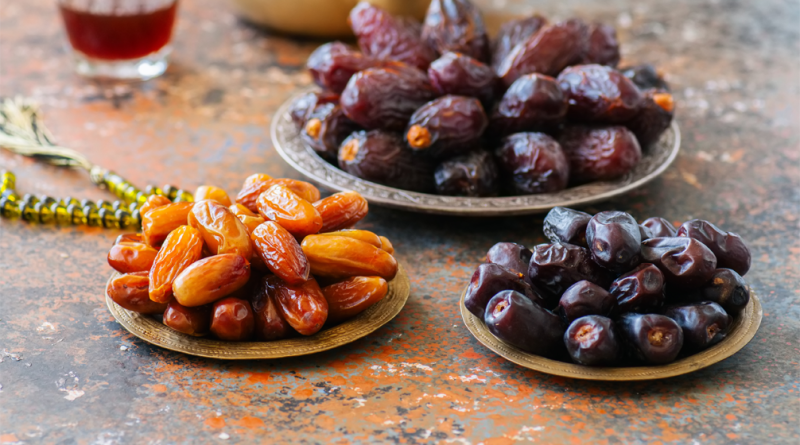
The surprising food trend reshaping healthy snacking habits
Subscribe to our free newsletter today to keep up to date with the latest food industry news.
Americans are rethinking what counts as a snack. After years of protein bars, low-calorie cookies and processed “better-for-you” products, more shoppers are gravitating toward foods with shorter ingredient lists and recognizable origins. Dates, one of the oldest cultivated fruits in the world, are benefiting from that shift.
The fruit’s appeal is simple: dates are sweet, portable and minimally processed. They sit comfortably between indulgence and nutrition, which is exactly where many food companies want to be. As consumers become more wary of ultra-processed snacks, dates are moving from the bulk aisle and Middle Eastern grocery shelves into mainstream recipes, packaged snack products and social media trends.
Sales data points to a sharp shift. US date sales rose 33% in 2025, with the market projected to reach $1.6 billion by 2034. That momentum reflects more than a passing wellness trend. It signals a broader change in how consumers evaluate snacks, sugar and convenience.
Consumers are looking for snacks that feel less manufactured
The backlash against ultra-processed foods has given traditional ingredients a new commercial advantage. For shoppers, the appeal is not only nutritional. It is psychological. A date feels easier to understand than a snack bar built from syrups, isolates, emulsifiers and flavor systems.
That matters in a market where trust has become a selling point. Consumers still want sweetness, convenience and texture, but they increasingly want those qualities without a lengthy ingredient panel. Dates meet that demand naturally. They can be eaten alone, blended into smoothies, used as a binder in bars or filled with nut butter and chocolate for a dessert-style snack.
This is why dates have become popular across several food categories at once. They are not just competing with candy. They are competing with energy bites, granola bars, baking sweeteners and dessert ingredients. For food brands, that flexibility creates room for product innovation without requiring consumers to learn a new ingredient.
Dates are benefiting from the clean-label economy
The clean-label movement has often rewarded foods that seem familiar, traditional or close to nature. Dates check each of those boxes. They have been cultivated for thousands of years, are widely used across Middle Eastern and North African cuisines and offer natural sweetness without refined sugar.
That heritage gives dates a marketing advantage. The fruit carries a sense of authenticity that newer functional snacks often struggle to build. It also gives brands a way to talk about indulgence without relying on artificial sweeteners or diet language.
Nutrition is part of the story, too. Dates contain fiber, potassium, magnesium and antioxidants. They are not low in sugar, and the average date contains about 15 grams of natural sugar, but the presence of fiber makes them different from many refined sweeteners. For consumers trying to reduce ultra-processed snacks rather than eliminate sweetness entirely, that distinction matters.
The challenge for brands is balance. Dates can be positioned as a whole-food snack, but they should not be marketed as a free pass on sugar. The strongest messaging is likely to be practical rather than exaggerated: dates offer sweetness, texture and nutrients in a recognizable format.
Social media turned a traditional fruit into a modern craving
Dates have become unusually well suited to visual food culture. Stuffed dates, date bark, date caramel and blended date desserts all perform well on platforms built around simple recipe formats. The fruit’s sticky texture makes it useful as a natural binder, while its sweetness allows creators to frame recipes as indulgent but less processed.
That has helped dates reach consumers who may not have grown up eating them. A product that once felt specific to certain cuisines or holiday traditions is now being presented as a mainstream snack. The result is a rare combination of old and new: an ancient fruit repackaged through modern wellness media.
Retailers are responding. As demand grows, dates are appearing in more premium snack products, refrigerated bars, baking mixes and confectionery alternatives. Medjool dates, in particular, have benefited from their larger size, soft texture and caramel-like flavor.
The business opportunity is bigger than one fruit
The rise of dates points to a larger food industry pattern. Consumers are not giving up convenience. They are redefining what convenient food should look like. The products gaining traction combine portability with recognizable ingredients, moderate processing and a strong sensory payoff.
That shift creates opportunities beyond dates. Figs, dried mango, nuts, seeds, tahini, nut butters and minimally processed fruit-based products could all benefit from the same consumer logic. The common thread is enjoyment rather than restriction. Shoppers want snacks that feel satisfying without feeling engineered.
For manufacturers, dates offer both opportunity and risk. The opportunity lies in using them as a base ingredient for cleaner snacks and desserts. The risk is overextension. Once date-based products become too processed, too expensive or too aggressively marketed, they may lose the simplicity that made them attractive.
The date boom is not just about Americans discovering an old fruit. It reflects a snack market looking for a new center of gravity. After years of optimization around calories, protein claims and artificial sweetness, consumers are showing renewed interest in foods that are easy to explain. Dates are benefiting because they offer what many modern snacks cannot: a short story, a sweet payoff and a long history.
Sources:
Fox News