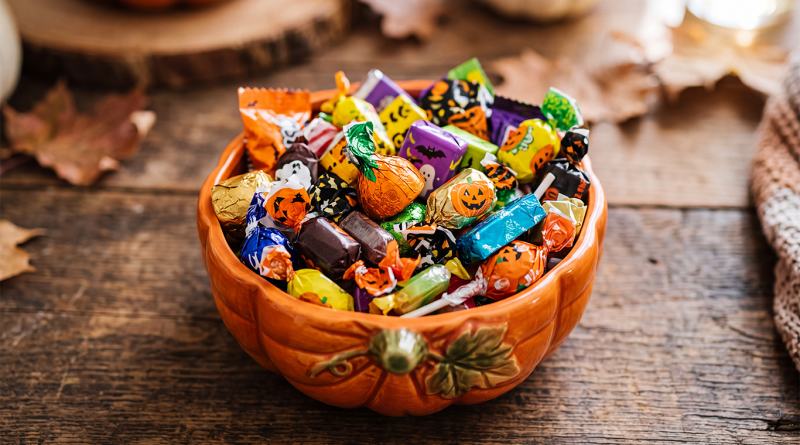
Top 10 Halloween food and beverage trends driving sales this season
Halloween has become a significant commercial occasion for the food industry, creating opportunities that extend well beyond traditional confectionery. From limited-edition snacks and seasonal beverages to premium bakery products and convenient party food, manufacturers and retailers are finding new ways to capitalise on consumer enthusiasm.
In the US, the National Retail Federation projected record Halloween spending of $13.1 billion in 2025, including approximately $3.9 billion on candy. Meanwhile, UK retailers have increasingly embraced Halloween through expanded seasonal ranges and themed product launches.
As celebrations evolve, businesses are responding with innovative flavours, distinctive packaging and products designed for different occasions and budgets.
Here are 10 Halloween food and beverage trends influencing purchasing decisions and creating opportunities for manufacturers, retailers and foodservice operators in 2026.
1. Limited-edition Halloween food launches encourage seasonal spending
Limited-edition products remain an effective strategy for food manufacturers seeking to attract attention during Halloween.
Seasonal packaging, unusual flavours and exclusive product formats encourage shoppers to purchase products outside their usual routines.
Brands such as Krispy Kreme regularly introduce Halloween-themed doughnuts featuring distinctive decorations and seasonal flavour combinations. These launches demonstrate how manufacturers can refresh established products without fundamentally changing their core offering.
Limited availability also creates urgency, encouraging consumers to purchase products before they disappear from shelves.
For manufacturers, this approach provides opportunities to test new flavour combinations while generating additional visibility during a competitive retail period.
However, short selling windows require careful production planning. Businesses must balance the commercial benefits of exclusivity against the risks associated with excess inventory.
Successful launches combine familiar products with distinctive seasonal features, allowing brands to generate excitement while maintaining broad consumer appeal.
2. Halloween drinks become a growing commercial opportunity
Halloween drinks are increasingly prominent as beverage manufacturers and hospitality operators introduce seasonal products designed to capture consumer attention.
Pumpkin-spiced coffees, colourful mocktails, themed cocktails and limited-edition soft drinks offer opportunities to extend seasonal spending beyond confectionery.
Starbucks has helped establish pumpkin spice as a recognisable autumn flavour, while chains including Dunkin’ have introduced Halloween-inspired beverages featuring unusual colours and flavour combinations.
For beverage operators, seasonal drinks can encourage repeat purchases throughout October rather than relying on a single Halloween shopping occasion.
Visual presentation is also important. Distinctive colours, toppings and packaging can help products attract attention on social media.
Manufacturers can apply similar strategies through ready-to-drink coffees, flavoured beverages and products designed for home entertaining.
The strongest opportunities lie in combining recognisable flavours with distinctive seasonal presentation, making products accessible while providing sufficient novelty to encourage trial.
3. Confectionery innovation extends beyond traditional chocolate
Confectionery remains central to Halloween spending, but manufacturers are increasingly looking beyond conventional chocolate products to differentiate seasonal ranges.
Gummies, sour sweets, chewy confectionery and products featuring unusual textures provide opportunities for innovation.
According to Circana’s analysis of Halloween confectionery sales in 2025, non-chocolate products gained market share in the US as consumers responded to changing prices and product availability.
Elevated cocoa costs have also encouraged manufacturers to reconsider product formats and ingredient strategies.
For the food industry, non-chocolate confectionery provides opportunities to introduce distinctive shapes, colours and flavour combinations without relying on cocoa.
However, chocolate continues to command strong consumer loyalty, making balanced seasonal ranges important.
Manufacturers that combine established favourites with innovative alternatives may be better positioned to appeal to different consumer preferences and spending levels.
4. Affordable treats attract value-conscious shoppers
Affordability remains a significant influence on Halloween purchasing decisions as households balance seasonal celebrations with everyday spending pressures.
Smaller confectionery packs, competitively priced multipacks and accessible themed snacks allow consumers to participate without committing to expensive purchases.
Research from the National Confectioners Association has highlighted the importance of value and portion sizes in seasonal confectionery purchasing.
For manufacturers, smaller products can provide opportunities to maintain accessible price points while responding to rising ingredient and production costs.
Retailers can strengthen their propositions through clearly priced seasonal ranges and promotional offers.
However, affordability must be balanced against profitability, particularly where additional packaging or seasonal decoration increases production costs.
Businesses that combine recognisable products, efficient manufacturing and attractive pricing may be better positioned to retain customers during periods of economic uncertainty.
5. Pumpkin-inspired flavours extend seasonal sales
Pumpkin-inspired products have become closely associated with autumn, creating opportunities that begin well before Halloween itself.
Pumpkin spice remains particularly prominent in beverages, but the flavour profile has also expanded into biscuits, cakes, desserts and confectionery.
The commercial appeal lies partly in the extended selling period. Seasonal launches often begin in late summer, allowing businesses to generate sales throughout September and October.
Starbucks has played an influential role in establishing consumer anticipation around returning pumpkin-inspired products.
For manufacturers, this creates opportunities to develop recurring seasonal ranges that encourage repeat purchasing.
However, increasing competition means businesses must differentiate through flavour quality, presentation and product innovation.
Pumpkin-inspired launches demonstrate how Halloween food can form part of a broader autumn sales strategy rather than relying entirely on demand during the final days of October.
6. Seasonal bakery products support premium purchases
Bakery products offer opportunities for manufacturers and retailers to introduce visually distinctive Halloween ranges while retaining familiar flavours and formats.
Decorated cupcakes, doughnuts, cookies and cakes are suitable for family celebrations, workplace gatherings and seasonal gifting.
Brands such as Krispy Kreme and Dunkin’ have demonstrated the commercial appeal of themed bakery products through recurring Halloween collections.
For businesses, seasonal decoration can increase perceived value without requiring substantial changes to established production processes.
Premium presentation may also encourage impulse purchases, particularly when products are displayed alongside confectionery and other seasonal items.
However, freshness requirements and limited selling periods create forecasting challenges.
Manufacturers must ensure that additional decoration, packaging and production costs are justified by consumer demand.
Businesses that combine recognisable products with distinctive Halloween designs may capture additional spending while limiting the risks associated with entirely new product development.
7. Convenient party food benefits from Halloween celebrations
Halloween increasingly creates opportunities for manufacturers and retailers supplying convenient meals and products designed for sharing.
Frozen appetisers, pizzas, savoury snacks, dips and ready-to-serve platters appeal to households organising parties or informal gatherings.
The timing of Halloween can influence demand, particularly when celebrations coincide with weekends.
Foodservice operators can benefit from family-sized meals, promotional bundles and products designed for group consumption.
For manufacturers, the opportunity extends to frozen and chilled food ranges that simplify preparation for consumers.
Retailers can also encourage additional purchases by positioning complementary products together.
However, demand may concentrate around the final days before Halloween, requiring accurate forecasting and reliable distribution.
Businesses that offer convenient, affordable products suited to different gathering sizes may be well positioned to capture spending from consumers seeking straightforward entertaining solutions.
8. Visually distinctive products generate digital attention
Visual presentation is becoming an increasingly important consideration in seasonal product development.
Brightly coloured beverages, elaborately decorated desserts and novelty confectionery can attract attention through social media and digital marketing.
Halloween provides manufacturers with opportunities to experiment with unusual colours, shapes and textures that distinguish products from everyday ranges.
For the food industry, this creates potential benefits beyond immediate sales because visually recognisable products can generate consumer engagement and brand awareness.
However, appearance alone is unlikely to sustain demand.
Products must also deliver on flavour, quality and value if businesses want to encourage repeat purchases.
Manufacturers should consider whether elaborate designs introduce additional production complexity or unnecessary costs.
The strongest propositions combine visual novelty with accessible pricing and familiar consumption occasions, helping businesses translate digital attention into commercial performance.
9. Premium confectionery and gifting create additional opportunities
Halloween is increasingly being positioned as an occasion for gifting and sharing, creating opportunities beyond traditional trick-or-treat confectionery.
Premium chocolate assortments, decorated biscuits, seasonal bakery gift boxes and novelty sweet collections allow manufacturers to target consumers seeking distinctive products.
For retailers, gifting ranges can encourage higher-value purchases through packaging, presentation and convenience.
Manufacturers can also introduce seasonal variations of established premium products, reducing the need for entirely new formulations.
However, premiumisation must be balanced against consumer sensitivity to price.
Businesses should consider offering different product sizes and price points to accommodate varying budgets.
Products suitable for both gifting and household consumption may provide additional flexibility, reducing the risks associated with unsold seasonal inventory.
As Halloween celebrations diversify, premium seasonal products could provide opportunities for businesses seeking to increase average transaction values.
10. Earlier promotions and last-minute shopping reshape sales strategies
Halloween purchasing increasingly spans a longer period, requiring manufacturers and retailers to manage both early demand and last-minute shopping.
Research from the National Retail Federation has shown that a substantial proportion of consumers begin Halloween shopping in September or earlier.
This creates opportunities for manufacturers to introduce seasonal products well ahead of October while maintaining promotional activity closer to the event.
However, demand for confectionery, Halloween drinks and party food can remain concentrated around the final trading days.
Retailers must therefore balance early product availability with responsive replenishment and effective inventory management.
Online shopping also creates additional opportunities for seasonal product discovery and purchasing.
Businesses that coordinate physical retail, digital promotions and distribution strategies may be better positioned to capture spending throughout the season.
Accurate forecasting remains essential because unsold Halloween products can lose much of their commercial appeal immediately after the event.
Outlook for the food industry
Halloween 2026 presents opportunities across confectionery, bakery, beverages and convenient entertaining products.
While traditional sweets remain commercially important, changing consumer preferences are encouraging manufacturers to introduce distinctive flavours, seasonal packaging and products suited to different celebrations.
Affordability, convenience and visual appeal are likely to remain important purchasing considerations.
For the food industry, the strongest opportunities will come from combining innovation with efficient production, competitive pricing and reliable availability.
As Halloween develops into a broader seasonal retail occasion, businesses that understand consumer demand and respond with relevant products will be better positioned to capture additional sales.