Vineyard Technology and Supply Chain Quality: How Grape Harvester Innovation Affects Wine Procurement
This article contains:
- How Does Mechanical Harvesting Stabilize Supply and Pricing for Buyers?
- Which Grape Harvester Features Help Reduce Fruit Damage?
- Why Is Machine Harvesting Speed Critical for Supply Chain Stability?
- How Does Temperature Control During Harvesting Affect Final Wine Quality?
- Frequently Asked Questions
- Securing Your Wine Supply Chain
Securing a stable, high-quality wine supply can be difficult when unpredictable climate factors and agricultural volatility impact growing regions. For procurement executives managing hospitality contracts and wholesale commitments, these disruptions translate into pricing instability and product inconsistency. Understanding the technology your vineyard partners use — specifically modern grape harvesters — can help you identify suppliers who can deliver both pricing predictability and consistent quality.
How Does Mechanical Harvesting Stabilize Supply and Pricing for Buyers?
Supply chain stability in the wine industry starts with how efficiently a vineyard can get fruit off the vine. When vineyards invest in modern mechanical harvesters, they create operational advantages that directly support your procurement goals.
How Do Harvesters Overcome Labor Shortages in Viticulture?
The agricultural sector has been facing a difficult labor market that threatens harvest completion across wine-producing regions. When vineyards cannot secure enough hand-pickers during the critical harvest window, fruit spoils in the field. For wholesale buyers and hospitality procurement teams, this translates into supply scarcity and drastic price hikes.
Growers with suitable terrain have turned to mechanization as a solution, deploying harvesters where workers are unavailable or using machines to keep costs manageable. Vineyards that have made this transition can fulfill your contracts even when the seasonal labor pool falls short.
How Do Modern Harvesters Impact Operational Costs for Vineyards?
Vineyards that switch to mechanical harvesting, leaf removal or pruning can experience substantial financial savings. According to a study by the Department of Viticulture and Enology at California State University, “Mechanized vineyard management can reduce labor costs by 45%–90%, depending on the region and trellis system.”
When operational overhead drops this dramatically, vineyards gain the flexibility to offer predictable annual pricing. This means that when negotiating multiyear contracts, you can lock in favorable rates that hold steady even when hand-harvest operations face escalating wages and worker shortages.
Which Grape Harvester Features Help Reduce Fruit Damage?
Damaged fruit leads to oxidation and spoilage, shrinking the volume of premium wine available to hospitality buyers and undermining quality commitments before grapes even reach the crusher. Here, mechanization can help with quality control.
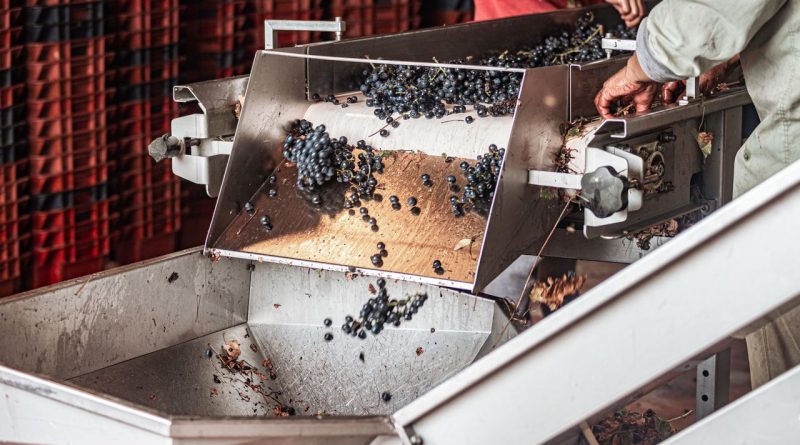
Pequea, a midsize manufacturer specializing in durable agricultural equipment, explains that “Machines can be calibrated to pick only ripe fruit instead of stripping vines of all the fruit they hold. New harvesters can also include optical sensors for grape selection and use forced air to sort them,” discarding any damaged fruits or materials other than grapes in the mix.
The company further notes that “Some harvesters even feature destemming, reducing the time it takes for grapes to reach the following stages in the process and keeping the grapes as fresh and intact as possible.”
These technologies directly impact the final product you receive:
- Optical sensors: Advanced sensors identify and reject underripe or damaged grapes before they enter the collection system, ensuring only fruit that meets ripeness standards makes it into the bin.
- Forced air sorting: Pneumatic systems blow away leaves, stems and damaged berries during collection, removing material that would otherwise compromise fermentation and introduce off-flavors.
- In-field destemming: Removing stems immediately during harvest reduces the time between picking and processing, minimizing oxidation exposure and preserving the delicate characteristics that command higher price points.
Why Is Machine Harvesting Speed Critical for Supply Chain Stability?
Unpredictable weather can wipe out a vintage overnight. When you’re managing volume commitments to hotel chains and hospitality groups, sudden heat waves or autumn storms create supply shortfalls that force costly last-minute sourcing from alternative suppliers.
Partnering with vineyards that use high-speed machine harvesting ensures the crop is secured quickly when forecasts turn threatening. “When vineyards use grape harvesting machines, grapes can go from being picked to being chilled much more quickly than if they were hand-picked,” points out Pequea. “Harvesting machines have saved vineyards’ yield from impending storms and the shortage of employees.”
If your contracted vineyard can harvest faster than a hand crew, your volume commitments are more likely to be fulfilled even when a three-day storm bears down on the region.
How Does Temperature Control During Harvesting Affect Final Wine Quality?
Procurement teams purchase wine based on strict flavor profiles, acidity levels and quality tiers established during tasting sessions and contract negotiations. If grapes are harvested in midday heat by slow-moving manual crews, enzymatic and chemical changes degrade the wine before fermentation even begins. The aromatics and structure you evaluated during your buying decision deteriorate in the field.
Machine-based night harvesting preserves the quality profile you contracted for. According to wine educator Seth Cysewski, “In hot climates, daytime grape temperatures can exceed 35° C; night harvesting can bring fruit to the winery at around 18° C, dramatically slowing oxidative enzyme activity […] Cool fruit arrives at the winery with reduced enzymatic activity, protecting fragile aromatic compounds and natural acidity.”
These temperature advantages translate directly into procurement benefits:
- Slowing oxidative enzymes: Lower harvest temperatures prevent browning and oxidation that degrade both color and flavor.
- Protecting aromatic compounds: Cooler fruit retains the bouquet and nose your team approved during tastings.
- Retaining natural acidity: Acidity preservation maintains the crispness and structure required for premium pricing.
Frequently Asked Questions
Understanding how vineyard technology affects your supply chain can help you make more informed sourcing decisions.
What harvesting technologies best protect fruit quality during mechanical harvesting?
According to experts at Pequea, modern harvesters incorporate optical sensors that identify and select only ripe grapes, forced air systems that remove damaged fruit and debris, and in-field destemming that minimizes the time between harvest and chilling. These features work together to deliver fruit that matches the quality standards procurement teams require for premium wine production.
How does mechanical harvesting help vineyards maintain consistent pricing for wholesale buyers?
Mechanical harvesting reduces vineyard labor costs by as much as 90%, depending on the region and growing system. This allows vineyards to offer stable multiyear contracts even when hand-harvest operations face escalating wages.
Why should hospitality buyers care about harvest timing and temperature control?
When vineyards use mechanical harvesters for rapid night harvesting, you receive a product that consistently meets your specifications rather than a degraded version affected by heat and delays. Grapes harvested during cool nighttime hours arrive at the winery with intact aromatic compounds and natural acidity, producing wines that match the flavor profiles and quality tiers you evaluated during contract negotiations.
Securing Your Wine Supply Chain
Vineyards that have invested in advanced harvesting technology can navigate labor shortages, weather disruptions and cost pressures while maintaining the product consistency and pricing stability your contracts demand. During your next negotiation, ask your vineyard partners about their harvesting methodology. The answers you receive will tell you whether they have the operational capacity to deliver on their commitments when conditions challenge the industry.
*Please note that this list includes sponsored content. Some of the companies, products, or services featured have entered into commercial agreements for placement. Sponsored placements do not necessarily reflect an endorsement and should be considered alongside other options in the marketplace.