Why Danone bought Huel and what’s next for meal replacements
Subscribe to our free newsletter today to keep up to date with the latest food industry news.
Danone’s reported €1 billion investment in UK based Huel marks one of the clearest signals yet that large food manufacturers are repositioning around functional nutrition. The deal reflects a broader shift in consumer demand toward convenience led, health focused products that sit somewhere between traditional food and dietary supplementation.
For Danone, the move is not simply an acquisition but a strategic recalibration. The company has spent the past several years reshaping its portfolio, placing greater emphasis on health, medical nutrition and plant based offerings. Huel, with its science driven branding and direct to consumer model, represents a natural extension of that direction.
The scale of the investment also underscores confidence in the long term growth of meal replacements, a category that has evolved rapidly from niche fitness products into a mainstream proposition for time constrained consumers.
A strategic shift toward functional nutrition
The global food industry is undergoing a structural change as consumers increasingly prioritise health, efficiency and transparency. Traditional meal formats are being challenged by products that promise complete nutrition in a more convenient form.
Danone’s interest in Huel aligns with this transition. Meal replacements offer a controlled nutritional profile, often marketed as balanced and efficient alternatives to conventional meals. This appeals particularly to urban professionals and younger consumers who value both time savings and health outcomes.
At the same time, large manufacturers face slowing growth in legacy categories such as dairy and packaged foods. Investing in high growth segments like functional nutrition provides a pathway to offset these pressures while aligning with evolving consumer expectations.
The deal also reflects a competitive landscape in which multinational companies are increasingly looking to partner with or acquire agile, digitally native brands rather than build new propositions internally.
Huel’s rise as a disruptive brand
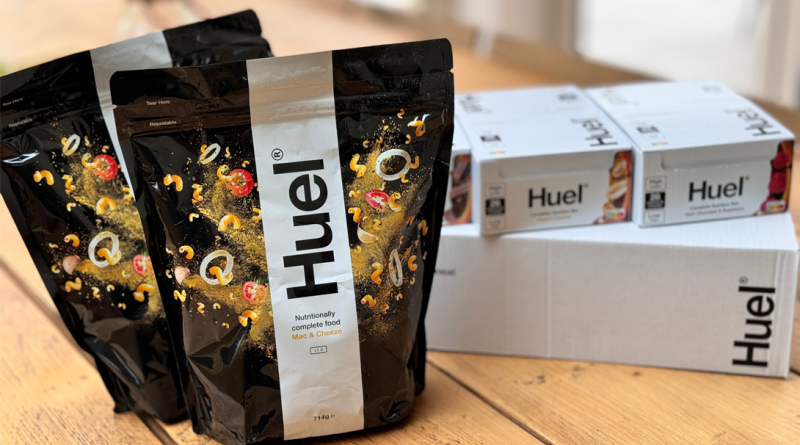
Founded in 2015, Huel has positioned itself at the intersection of nutrition science and lifestyle branding. Its product range, which includes powders, ready to drink meals and snack bars, is designed to deliver a complete balance of macronutrients and essential vitamins.
What sets Huel apart is not only its formulation but its route to market. The company has built a strong direct to consumer presence, allowing it to maintain close relationships with customers and rapidly iterate its product offering.
This model contrasts with traditional food distribution, where large retailers act as intermediaries. By controlling its own channels, Huel has been able to cultivate a loyal customer base and a distinct brand identity centred on efficiency and performance.
Its growth trajectory has attracted significant investor interest, positioning it as one of the leading players in the meal replacement segment. For Danone, the partnership offers access to both a fast growing category and a brand that resonates with a digitally engaged audience.
The mainstreaming of meal replacements
Meal replacements were once associated primarily with weight management or niche fitness communities. That perception has shifted as formulations have improved and branding has become more lifestyle oriented.
Today, these products are increasingly framed as practical solutions for busy schedules rather than substitutes for traditional food. This repositioning has expanded their appeal, particularly in markets where long working hours and urban living shape consumption habits.
The COVID 19 pandemic accelerated some of these trends, reinforcing demand for convenient, shelf stable nutrition. While growth has moderated since then, the underlying drivers remain intact.
For food manufacturers, this creates both an opportunity and a challenge. Entering the category requires not only technical expertise in formulation but also credibility with consumers who are often sceptical of highly processed products.
Implications for the wider food and beverage sector
Danone’s move is likely to intensify competition within the functional nutrition space. Other major players may look to accelerate their own investments, either through acquisitions or internal innovation.
The deal also highlights a broader convergence between food, health and technology. Products like Huel blur the boundaries between categories, combining elements of traditional food manufacturing with aspects of the supplement industry.
For retailers, the rise of direct to consumer brands presents a strategic dilemma. While partnerships can expand product ranges, they also challenge existing distribution models.
Meanwhile, smaller brands may find both opportunities and risks. Increased attention on the category can drive growth, but it also raises the bar in terms of marketing spend and product development.
Can the category sustain its momentum
Despite strong growth, meal replacements still face barriers to full mainstream adoption. Cultural attitudes toward food remain deeply rooted, and many consumers continue to value the social and sensory aspects of traditional meals.
There are also questions around long term consumption patterns. While some users integrate meal replacements into daily routines, others treat them as occasional supplements rather than staples.
Even so, the direction of travel is clear. As consumers seek greater control over their nutrition and more efficient ways to meet dietary needs, products that offer both convenience and functionality are likely to gain further traction.
Danone’s investment in Huel signals a belief that this shift is not temporary but structural. If that assessment proves correct, the deal could mark a turning point in how major food companies define the future of eating.
Sources
Financial Times