Why Modern Food Distribution Centers Depend on Reliable Aerial Lift Equipment
Modern food distribution centers rely on speed, precision and consistency. Every movement inside the facility affects product quality and delivery timelines. Teams need reliable equipment to access, store and retrieve goods efficiently. Aerial lifts play a key role in supporting safe and organized operations. When equipment performs well, the entire supply chain benefits.
The High Stakes of Downtime in Food Distribution
Food distribution centers operate on tight schedules where speed and accuracy directly impact product quality. When equipment fails, teams lose valuable time moving, storing or retrieving goods. Delays can disrupt temperature control and increase the risk of spoilage. Reliable aerial lifts provide safe and immediate access to high storage areas, helping teams avoid interruptions.
Consistent performance keeps workflows steady, supports food safety compliance and reduces handling errors. This efficiency keeps supply chains moving while protecting both product quality and productivity.
Cold chain logistics protects the quality and safety of temperature-sensitive products, such as food, vaccines and pharmaceuticals. Maintaining strict temperature control prevents spoilage and product loss. Challenges such as temperature deviations, equipment failures, transport delays and traceability gaps can reduce quality, affect safety and drive financial losses.
Cold chain operations require significant energy, increasing costs and environmental impact through emissions and refrigerant use. Additionally, compliance and accurate monitoring call for ongoing investment in technology and processes. Strengthening supply chain resilience helps organizations respond to disruptions and maintain performance. Sustainability innovation improves resource efficiency and reduces environmental impact over time, supporting more reliable and responsible cold chain systems.
Supporting Reliable Access and Efficiency at Height
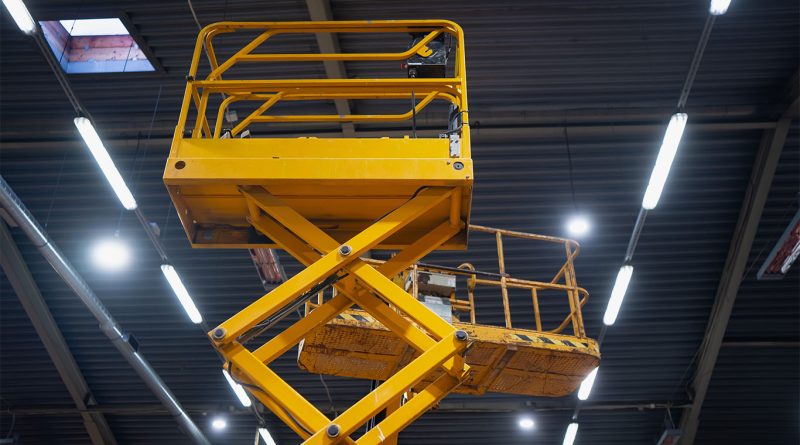
Every jobsite requires the right equipment to work safely and efficiently at height. Aerial lifts provide a stable and flexible alternative to ladders or time-intensive scaffolding. These platforms help teams access elevated areas with greater control and confidence. There are three main types of aerial lifts:
- Scissor lifts move vertically and work well for tasks directly above the base, especially in indoor or stable environments.
- Boom lifts offer both vertical and horizontal reach, ideal for accessing difficult or obstructed areas.
- Vertical mast lifts provide a compact solution for tight spaces and lighter tasks.
Choosing the right equipment depends on height, space and obstacles. Environment, capacity and power source should match the task. Considering these factors helps ensure safe, efficient and reliable operations.
The Best Place to Buy New Aerial Lift Equipment
Reliable aerial lift equipment supports a modern food distribution center by providing safe access to high storage areas. Consistent performance keeps operations smooth, reduces delays and helps protect temperature control. The right lifts also improve organization, minimize handling errors and support safety standards.
Barclay takes a consultative approach, helping each facility buy new aerial lift equipment in New Jersey that aligns with its layout, workload and safety priorities. With a wide selection of aerial lift solutions and a strong focus on tailored recommendations, Barclay supports efficient, well-organised operations. Continuous technician training ensures high-quality service and fast turnaround times, helping equipment perform reliably over time. This combination of expertise, support and safety focus positions Barclay as the best place to buy new aerial lift equipment for businesses seeking dependable, long-term solutions.
Frequently Asked Questions
Learn more about aerial lift equipment for the food and beverage industry.
Why are aerial lifts important in a food distribution center?
Aerial lifts can help teams safely reach high storage areas and handle goods more efficiently. This supports faster workflows and reduces unnecessary handling, which helps protect product quality. Over time, consistent access can improve overall operational flow.
How does equipment reliability impact food safety?
Reliable equipment may help maintain stable processes, which is especially important in temperature-controlled environments. When operations run smoothly, teams reduce delays that could affect product conditions. This consistency supports food safety standards and quality control.
What should businesses look for in an equipment partner?
It helps to choose a partner that offers tailored recommendations based on your facility’s needs. Strong service support and ongoing maintenance can keep equipment performing reliably. This kind of partnership supports efficiency, safety and long-term planning.
Keeping Operations Moving with Confidence
Reliable equipment supports consistent, high-quality operations, while strong partnerships help teams adapt to changing demands with ease. Safe access and efficient workflows can improve daily performance, and well-maintained systems protect both products and people. With the right support, food distribution center remain ready for what’s next.
*Please note that this list includes sponsored content. Some of the companies, products, or services featured have entered into commercial agreements for placement. Sponsored placements do not necessarily reflect an endorsement and should be considered alongside other options in the marketplace.